Short answer
In UAE rain your tyres need enough tread depth to clear water, ideally 3 mm or more, and correct pressure to keep the contact patch in shape. The first rain after a dry spell lifts oil and dust and makes roads slippery. In fog, slow down. On sand, air down to around 15–18 PSI and re-inflate before returning to tarmac.
Key takeaways
- The first rain after a long dry spell is the most slippery, because oil, rubber dust and sand lift off the road surface.
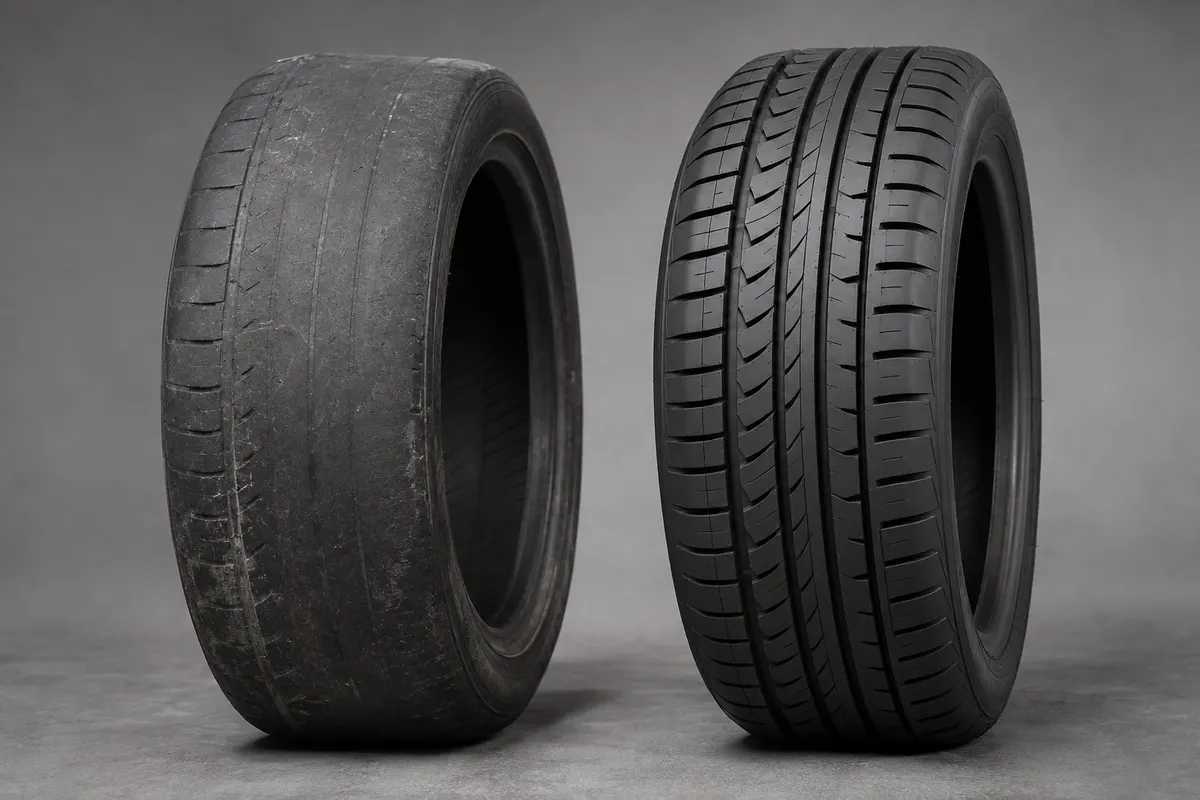
- Aquaplaning risk rises sharply as tread wears. I recommend replacing at around 3 mm, well above the 1.6 mm legal minimum.
- In fog on the E11 and E311, speed and following distance matter more than tyres, but worn tyres lengthen every stop.
- For soft sand, 15–18 PSI is a common starting point, and you must re-inflate to the door-placard value before driving on tarmac.
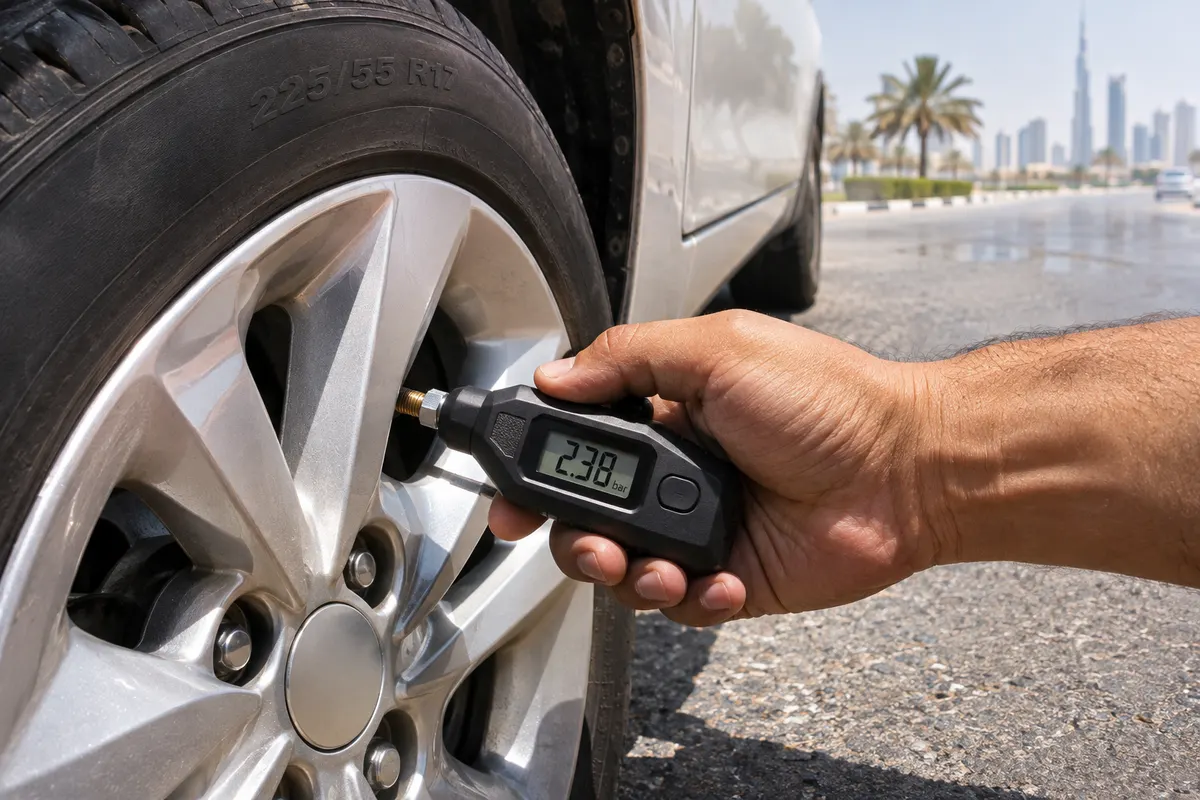
- Heat is the constant: check pressure cold, every two weeks, all year.
When it rains in the UAE my phone gets busy. Not because tyres fail in the rain, but because the first wet day of the season shows up every worn tyre, every car running low pressure and every driver who has not felt a car slide before. The same happens on foggy winter mornings and after a windy night drops sand across the roads near Al Qudra or the Sharjah outskirts.
In four years of fitting tyres across Dubai, Abu Dhabi and Sharjah I have learned which tyre conditions turn a bad-weather drive into a problem. This guide covers rain, aquaplaning, fog, sand on the road, desert driving and the heat that sits underneath all of it.
Why are UAE roads so slippery in the first rain?
UAE roads are most slippery in the first rain after a dry spell because months of oil, fuel, rubber dust and fine sand build up on the surface, and the first water lifts them into a greasy film. Once heavier rain washes that film away, grip improves, but the first hour or so is the riskiest.
This catches drivers out because they are used to dry-road braking distances. A car that stops comfortably on a dry road in Dubai can need noticeably more distance on that first wet surface, even with good tyres. With worn tyres or low pressure the gap gets larger.
My advice for the first rain is simple. Increase your following distance well beyond what feels normal, brake earlier and more gently, and avoid sudden steering. Painted road markings, manhole covers and the smooth surface in tunnels and car park ramps are slippery when wet, so take extra care on those. And if your tyres are close to the wear bars, this is the day you will find out.
What is aquaplaning and how does tread depth affect it?
Aquaplaning happens when a layer of water builds up between the tyre and the road faster than the tread grooves can clear it, so the tyre lifts and rides on the water. The steering goes light, and braking and steering inputs have little effect until the tyre touches down again.
Tread depth is the biggest factor you control. The grooves in a tyre are channels that pump water out of the contact patch. A new tyre with around 7–8 mm of tread can clear a lot of water; a tyre at 2 mm clears much less, so it starts to aquaplane at lower speeds and in shallower water. The legal minimum in the UAE is 1.6 mm, but I recommend replacing at around 3 mm if you drive on the highway, because wet performance falls off noticeably below that. See when to replace tyres in the UAE for how to check.
Speed, water depth and pressure matter too. Underinflated tyres deform and close up the grooves, so check pressure cold against the door placard. Wide, low-profile tyres on performance cars are also more prone to aquaplaning than narrower ones. If you feel the steering go light, ease off the accelerator, keep the wheel straight and do not brake hard until you feel grip return.
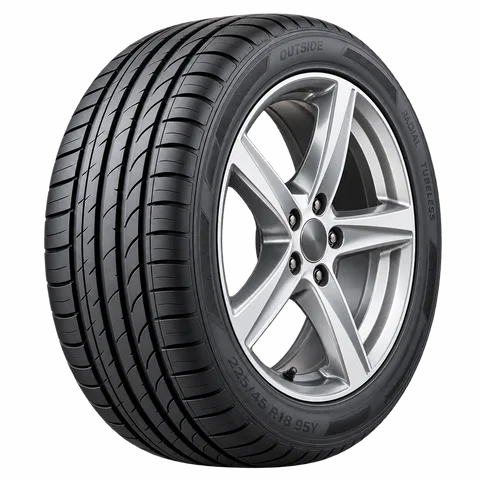
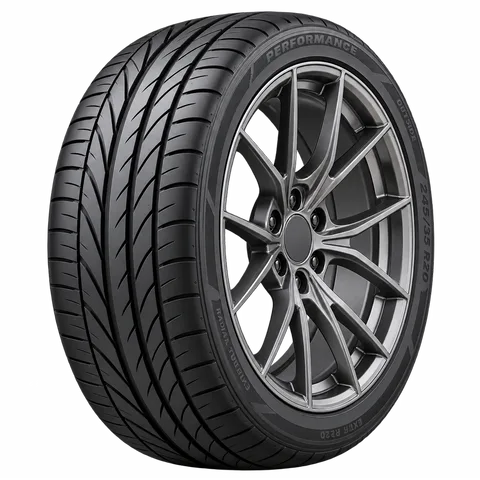
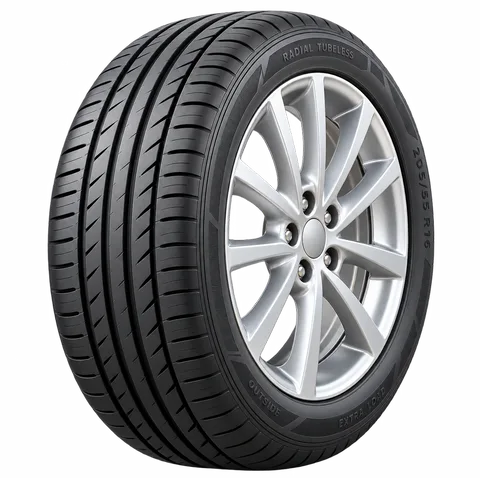
For drivers who want strong wet grip, the PremiumContact 7 and the SportContact 7 are the Continental lines I most often fit on cars that do a lot of highway kilometres. On SUVs, the CrossContact RX is a common choice.
- Keep tread above 3 mm for highway driving in the wet
- Check pressure cold, every two weeks
- Slow down where water pools: underpasses, dips and the right-hand edge of the road
- If the steering goes light, lift off gently and keep the wheel straight
How should I drive in morning fog on the E11 and E311?
In morning fog on the E11 and E311, the safest approach is to slow down well below the limit, increase your following distance and use dipped headlights and fog lights. Winter fog in the UAE can be very dense, especially between Dubai and Abu Dhabi and on stretches inland, and visibility can fall to a few tens of metres in minutes.
Tyres do not change visibility, but they decide how quickly you can stop when something appears out of the fog. Fog also leaves the road damp, so you are braking on a surface that is closer to wet than dry. Worn tyres or low pressure lengthen that stop when you have the least time.
Practical points from what I see: do not use hazard lights while moving unless you are stopped or a hazard is ahead, as they make it harder for others to judge your position. Avoid sudden lane changes. If visibility becomes very poor, leave the road at the next safe exit rather than stopping on the hard shoulder. Before winter, check that your tyres have reasonable tread and your pressure is set to the door-placard value.
| Condition | Main tyre risk | What to check or do |
|---|---|---|
| First rain after a dry spell | Oily, dusty film reduces grip | Tread above 3 mm, correct pressure, longer following distance |
| Heavy rain and standing water | Aquaplaning | Tread depth, pressure, lower speed in pooled water |
| Morning fog on E11 / E311 | Damp road, little time to stop | Tread and pressure, lower speed, dipped headlights |
| Sand blown onto the road | Loss of grip, hidden debris | Slow before the drift, steer straight, check for cuts |
| Soft desert sand | Tyre digs in and car gets stuck | Air down to around 15–18 PSI, drive gently |
| Back on tarmac after the desert | Overheating, bead unseating | Re-inflate to door-placard value before driving |
| Summer heat all year | Ageing, pressure swings | Check pressure cold every two weeks, check DOT date |
What should I do when sand blows across the road?
When sand blows across the road, slow down before you reach it, keep the steering straight and avoid braking hard while you are on it. A thin layer of sand on asphalt behaves a lot like gravel and can reduce grip sharply, especially in corners.
Sand drifts are common after windy nights on roads that run near open desert, such as routes near Al Qudra, Al Ain, the Sharjah and Ras Al Khaimah outskirts and stretches of the E311. They tend to collect on the right-hand edge of the road and on bends. Hitting a drift at speed can pull the car to one side.
Sand on the hard shoulder also hides debris that cuts tyres. If you have to stop on a shoulder, do so slowly and check your tyres afterwards for cuts or embedded stones. My tyre damage guide explains which cuts are cosmetic and which need a new tyre.
What tyre pressure should I use for desert driving?
For driving on soft desert sand, 15–18 PSI is a common starting point for most 4x4s, because lower pressure lengthens the contact patch and helps the tyre float instead of digging in. The right figure depends on the vehicle weight, the tyre and the sand, so start around there and adjust.
The critical step is re-inflating before you return to tarmac. A tyre at 15 PSI on a paved road, especially at speed in summer heat, overheats, wears the shoulders and can come off the rim in a hard turn. Carry a reliable compressor and a gauge, and set the pressure back to the door-placard value before you drive on the road.
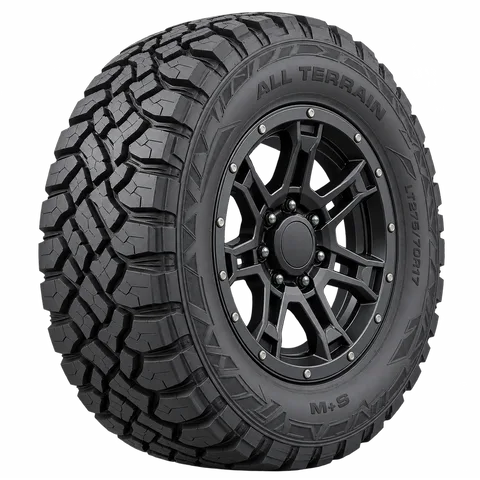
At low pressure, drive gently: avoid sharp turns, high speed and sudden braking on the sand, because the tyre is more likely to roll off the bead. Tyres with tougher sidewalls cope better with repeated airing down. The TerrainContact A/T and the CrossContact ATR are the Continental options I most often fit for regular dune drivers. For more detail, read best Continental tyres for desert driving and our page on Continental off-road tyres.
How does heat affect tyres in bad weather?
Heat affects tyres all year in the UAE, and it is the background factor in most tyre problems I see, even in rain or fog. Summer road surfaces reach 60–70°C, and that heat ages rubber, raises pressure while driving and makes underinflation more damaging.
The link with bad weather is that heat-aged tyres lose wet grip. A tyre that has spent several summers in the sun can still have decent tread but a harder compound that grips less on a wet road. That is one reason I check the DOT date as well as tread depth before the rainy months.
Check pressure when tyres are cold, before the first drive of the day, and set it to the figure on the door placard. Do not let air out because a tyre reads high after a long drive; the reading drops again as the tyre cools. The Continental tyre pressure guide for UAE summer covers this in detail, and our tyre pressure check service can do it at your home or office.
When should I change tyres before the rainy season?
Change your tyres before the rainy months if the tread is below about 3 mm, the tyres are around five years past their DOT date, or you can see cracking, bulges or uneven wear. In the UAE most rain falls between roughly November and March, so autumn is a sensible time to check.
If you need new tyres, we fit them where you are in Dubai, Abu Dhabi and Sharjah, and you can see the DOT code before anything is mounted. Typical prices and size ranges are on our Continental tyres price in UAE page. If you drive an SUV, our guide to SUV tyres covers load ratings and common sizes.