Short answer
Continental is a German company, founded in 1871 in Hanover, but it makes tyres in 19 plants across 16 countries, including Germany, Portugal, the Czech Republic, Slovakia, Romania, France, South Africa, the USA, Mexico, Brazil, China, India, Malaysia and Thailand. The country is printed on the sidewall, and every plant builds to the same global standards.
Key takeaways
- Continental lists 19 tyre plants in 16 countries (as of January 2026).
- Its only German tyre plant on that list is Korbach; most European output comes from Portugal, Czechia, Slovakia, Romania and France.
- The country of manufacture is moulded on the sidewall, usually as 'Made in ...'.
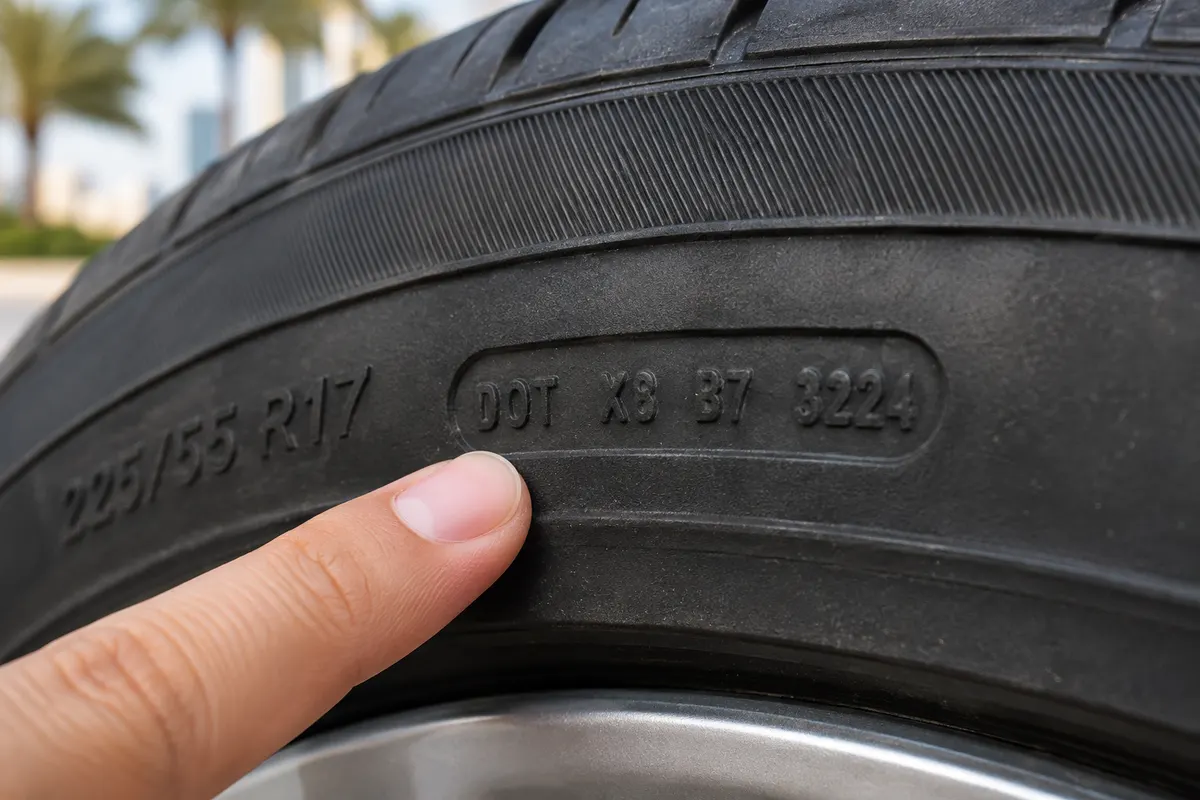
- The last four digits of the DOT code give the week and year the tyre was made.
- Plant location does not change the specification: freshness and correct fitment matter far more.
Almost every week a customer looks at the sidewall while I am fitting and says: this says Made in Portugal, I thought Continental was German. It is one of the most common questions I get, and it usually comes with a worry that the tyre is somehow second grade.
It is not. In four years of fitting Continental tyres in the UAE I have mounted tyres made in Europe, Asia and the Americas, and I cannot tell them apart by how they fit, balance or wear. Here is where Continental tyres are actually made, how to read the country and date on your own tyres, and what really matters when you buy.
Is Continental a German company?
Yes, Continental is a German company: Continental AG was founded in 1871 in Hanover, Germany, and its tyre business is still run from Hanover today. The brand's research, development and much of its testing are centred in Germany.
What many drivers do not realise is that a German brand does not mean German-made tyres. Like every major tyre maker, Continental builds tyres close to the markets they serve, because tyres are heavy and bulky to ship. Michelin, Bridgestone and Pirelli all do the same.
So the honest answer to 'is my Continental tyre German' is: it is a German-designed tyre built to German specifications, which may have been made in any of Continental's plants around the world.
This is the same as cars. A BMW X5 sold in the UAE may have been built in the USA, and a Mercedes-Benz may come from a plant outside Germany. Nobody would call those cars less German. The engineering, the specification and the quality system come from the company, not from the postcode of the factory.
Where are Continental tyres made?
Continental's own manufacturing page lists 19 tyre plants in 16 countries as of January 2026, spread across Europe, Africa, the Americas and Asia. The list below is taken from that page. Not every plant makes every type of tyre; some focus on passenger and SUV tyres, others on commercial or specialist tyres.
In the UAE the Continental car and SUV tyres I fit most often are marked as made in European plants such as Portugal, the Czech Republic, Slovakia and Romania, or in Asian plants such as Thailand and Malaysia. That depends on size, model and the importer's supply chain, so the mix changes over time.
It is quite normal to see two different countries on a set of four. If you buy two tyres now and two next year, or if the importer's stock for your size came in from two plants, the fronts may say Portugal and the rears Slovakia. As long as the model, size, load index, speed rating and OE marking match, the tyres are the same product and can run together on the car.
- Germany: Korbach
- Portugal: Lousado
- Czech Republic: Otrokovice
- Slovakia: Puchov
- Romania: Timisoara
- France: Sarreguemines
- South Africa: Gqeberha
- USA: Clinton (Mississippi), Mount Vernon (Illinois), Plymouth (Indiana), Sumter (South Carolina)
- Mexico: San Luis Potosi
- Brazil: Camacari
- Ecuador: Cuenca
- China: Hefei
- India: Modipuram
- Sri Lanka: Kalutara
- Malaysia: Petaling Jaya
- Thailand: Rayong
Are Continental tyres still made in Germany?
Yes, some Continental tyres are still made in Germany, at the Korbach plant, which is the German tyre factory on Continental's current plant list. Germany is also where the brand develops and tests its tyres, at its Hanover base and test facilities.
Most of Continental's European car tyre volume, however, comes from plants in Portugal, the Czech Republic, Slovakia, Romania and France. Otrokovice in the Czech Republic and Lousado in Portugal are names I see on sidewalls regularly.
If you specifically want a German-made tyre, it is possible in some sizes, but you cannot usually choose the plant when buying. Stock arrives in the UAE from whichever factory supplies that size and model at the time. I would not pay extra or wait weeks for a particular country. Freshness, correct size and the right OE marking matter much more.
The German connection that does matter is engineering. Continental's tyre development, compound research and much of its testing are based in Germany, and every plant builds to designs and specifications set there. Whether the tyre comes off a line in Korbach or Rayong, it starts from the same blueprint, the same materials specification and the same testing requirements.
| Region | Countries with Continental tyre plants | Plants listed |
|---|---|---|
| Europe | Germany, Portugal, Czech Republic, Slovakia, Romania, France | Korbach, Lousado, Otrokovice, Puchov, Timisoara, Sarreguemines |
| Africa | South Africa | Gqeberha |
| North America | USA, Mexico | Clinton, Mount Vernon, Plymouth, Sumter, San Luis Potosi |
| South America | Brazil, Ecuador | Camacari, Cuenca |
| Asia | China, India, Sri Lanka, Malaysia, Thailand | Hefei, Modipuram, Kalutara, Petaling Jaya, Rayong |
How do I check where my Continental tyre was made?
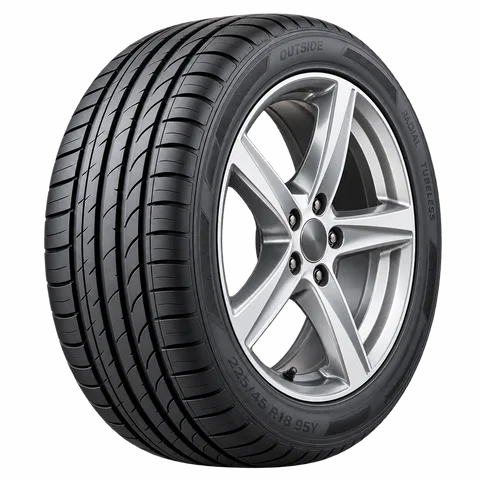
The easiest way to check where a Continental tyre was made is to look for the 'Made in' text moulded into the sidewall, usually near the DOT code or the size marking. It may read, for example, Made in Portugal, Made in Czech Republic or Made in Thailand.
The DOT code itself also identifies the plant. It starts with the letters DOT, followed by a two-character plant code assigned to each factory, then size and manufacturer codes, and ends with four digits for the week and year of manufacture. On many tyres the full DOT code appears on one side only, so if you cannot find it, look on the inner sidewall.
Here is what to look for on the sidewall:
- 'Made in ...' text: the country of manufacture
- DOT followed by a two-character code: the specific plant
- Last four digits of the DOT code: week and year, for example 2226 means week 22 of 2026
- Size, load index and speed rating, for example 235/55 R19 105W XL
- OE markings such as MO, star, AO or N if the tyre is made for a specific carmaker
Why do Continental tyres in the UAE come from different countries?
Continental tyres in the UAE come from different countries because each plant produces a particular set of models and sizes, and stock for the region is drawn from whichever factory makes the size you need. A 205/55 R16 touring tyre and a 285/45 R22 SUV tyre may well come from opposite sides of the world.
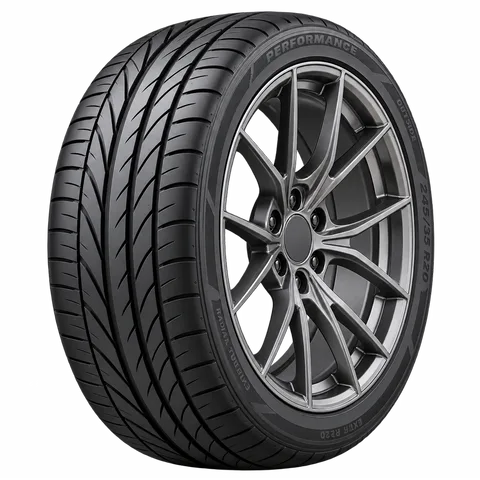
Regional lines play a part too. The UltraContact UC7 and MaxContact MC7 were developed for Asia-Pacific and Middle East conditions, so it is common to see Asian plants on those, while global European lines such as the PremiumContact 7 and SportContact 7 often come from European plants. This is a supply pattern, not a quality ranking.
For the buyer, the practical effect is simple. You choose the model and size, check the DOT date and OE marking, and the country is whatever that batch says. I have never had a reason to turn down a fresh, correctly specified Continental because of where it was made.
Is a Continental tyre made in Portugal or Thailand as good as one made in Germany?
Yes, a Continental tyre made in Portugal, Slovakia, Thailand or the USA is built to the same specification as one made in Germany, because Continental uses the same designs, compounds and quality standards across its global plants. A PremiumContact 7 in a given size is the same tyre whichever factory built it.
Carmakers enforce this too. When a factory supplies original equipment to Mercedes-Benz, BMW or Porsche, it is audited against the carmaker's own requirements. A plant that could not meet them would not keep the business.
From my side of the job, I see no pattern of problems by country. Tyres from different plants balance the same, hold pressure the same and wear the same on UAE roads. The real differences I do see are between fresh and old stock, and between correctly and incorrectly inflated tyres.
Where you should be careful is with tyres sold far below normal market prices, or with no clear history. Check that the sidewall lettering is crisp, the DOT code is complete and legible, the tyre has no signs of previous fitting such as bead marks or old balancing weight residue, and the date is recent. Read more in my answer to whether Continental tyres are good.
Why does the DOT date matter more than the country?
The DOT date matters more than the country of manufacture because tyre rubber ages from the day it is made, and in UAE heat an old tyre can be a real risk even with full tread. A fresh tyre from any Continental plant is a better buy than a three-year-old tyre from any other.
Tyres more than five years past their DOT date are commonly rejected at inspection in the UAE, and I advise replacing them by that point regardless of tread. When I fit tyres, I show the customer the DOT code before mounting so they can see how fresh the stock is. My full guide on how to read the Continental DOT date code explains every part of the code.
The other legal point to know is tread depth: the minimum legal depth is 1.6 mm, and the federal traffic fine for unfit tyres is AED 500 and 4 black points.
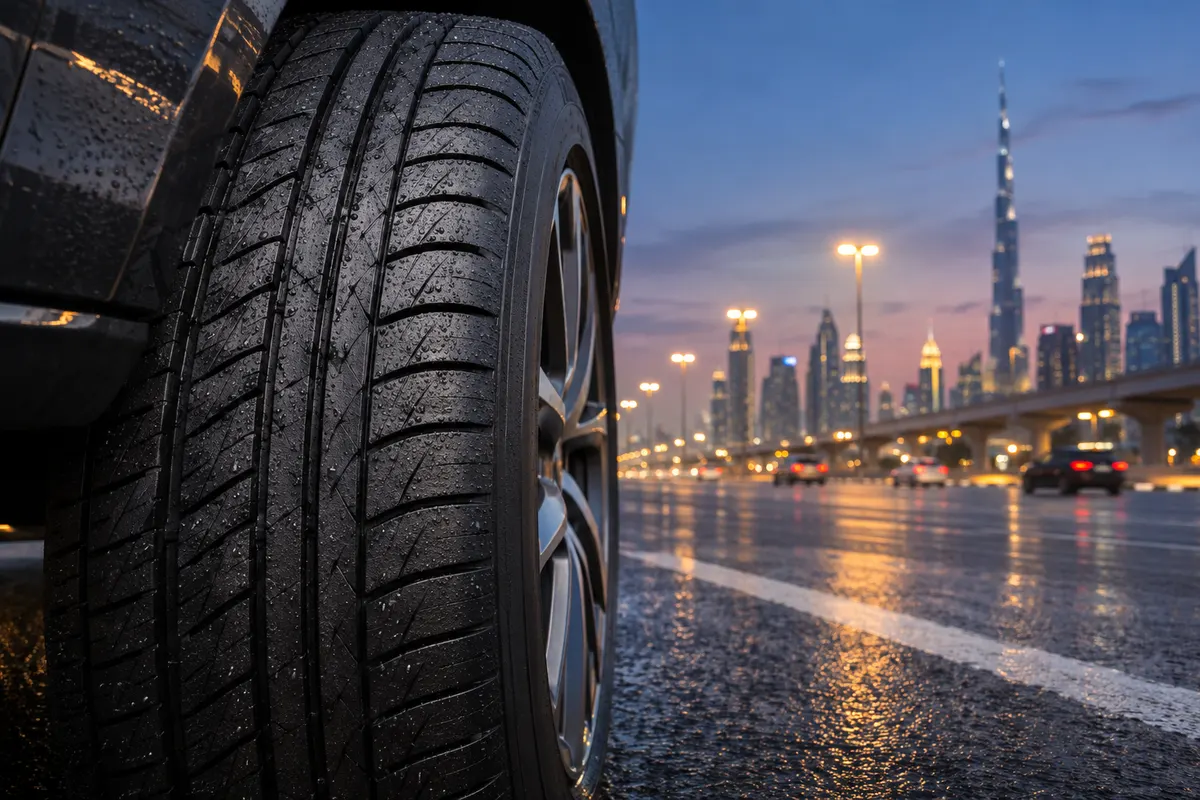
Heat is the reason I am strict about age here. Rubber contains oils and anti-ageing chemicals that slowly break down, and high temperatures speed that up. A car parked outdoors in Sharjah or Abu Dhabi through July and August sees sidewall temperatures far above anything a tyre would see in Europe. Fine cracks between the tread blocks or on the sidewall are an early warning, and I would replace a tyre showing them even if the tread looks good.
Which Continental tyres are sold in the UAE?
The Continental tyres sold in the UAE include both the global European lines and regional lines developed for Asia-Pacific and the Middle East. Global lines include the PremiumContact 7 and SportContact 7, while regional lines include the UltraContact UC7 and MaxContact MC7, which are designed for hot climates and long highway runs.
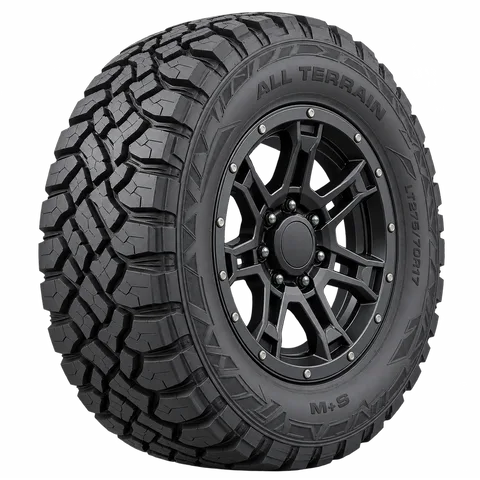
For SUVs and 4x4s, the CrossContact LX2, CrossContact RX and TerrainContact A/T are the ones I fit most. Each comes from whichever plant supplies that size.
Prices do not follow the country either. A Continental touring tyre in the UAE is typically around AED 420–650 in 17-inch and AED 520–850 in 18-inch, with SUV and performance sizes higher, and the figure depends on size, load and speed rating, OE marking and stock rather than on where it was built. When we quote, we confirm the exact model, size and DOT date on WhatsApp before the van leaves, so you know what you are getting.
If you want to compare models and prices for your size, our page on buying Continental tyres online in the UAE shows typical prices, and we can fit them at your home, office or roadside through our tyre replacement service.