Short answer
The best Continental SUV tyre depends on how you drive. For city and highway use, the CrossContact LX2 or TerrainContact H/T gives long, quiet mileage. Premium and performance SUVs suit the CrossContact LX Sport or ContiCrossContact UHP. If you drive on sand or gravel, pick the CrossContact ATR, CrossContact RX or TerrainContact A/T.
Key takeaways
- Match the tyre to how you actually drive: most UAE SUVs spend nearly all their time on tarmac.
- Highway-terrain patterns (CrossContact LX2, TerrainContact H/T) last longest and run quietest on E11 and E311 runs.
- Performance SUVs on 20 to 22 inch rims need the speed and load rating of the factory tyre, usually CrossContact LX Sport or ContiCrossContact UHP.
- All-terrain options (CrossContact ATR, TerrainContact A/T, CrossContact RX) make sense if you drive sand or gravel at least a few times a month.
- Typical SUV prices run from about AED 520 per tyre on 17 inch rims to AED 2,200 on 22 inch, depending on size and rating.
In four years of fitting tyres across Dubai, Abu Dhabi and Sharjah, the most common mistake I see on SUVs is a tyre chosen for the weekend rather than the week. I regularly change aggressive all-terrain tyres on Land Cruisers and Patrols that have never seen a dune, and the owners tell me the same things: road noise at 120 km/h, longer braking on wet tarmac after a rare shower, and tread that wore faster than expected.
Continental makes a tyre for nearly every type of SUV driving, and the range is wider than most people realise. Below I break down each line by real UAE use, with rim sizes and the typical price bands we see, so you can choose with confidence before you book a fitting.
Which Continental SUV tyre should you choose for city and highway driving?
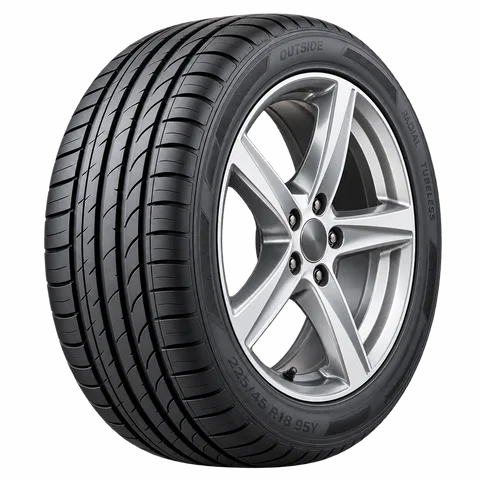
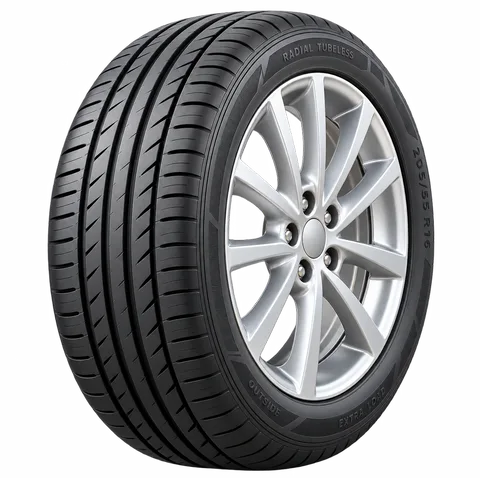
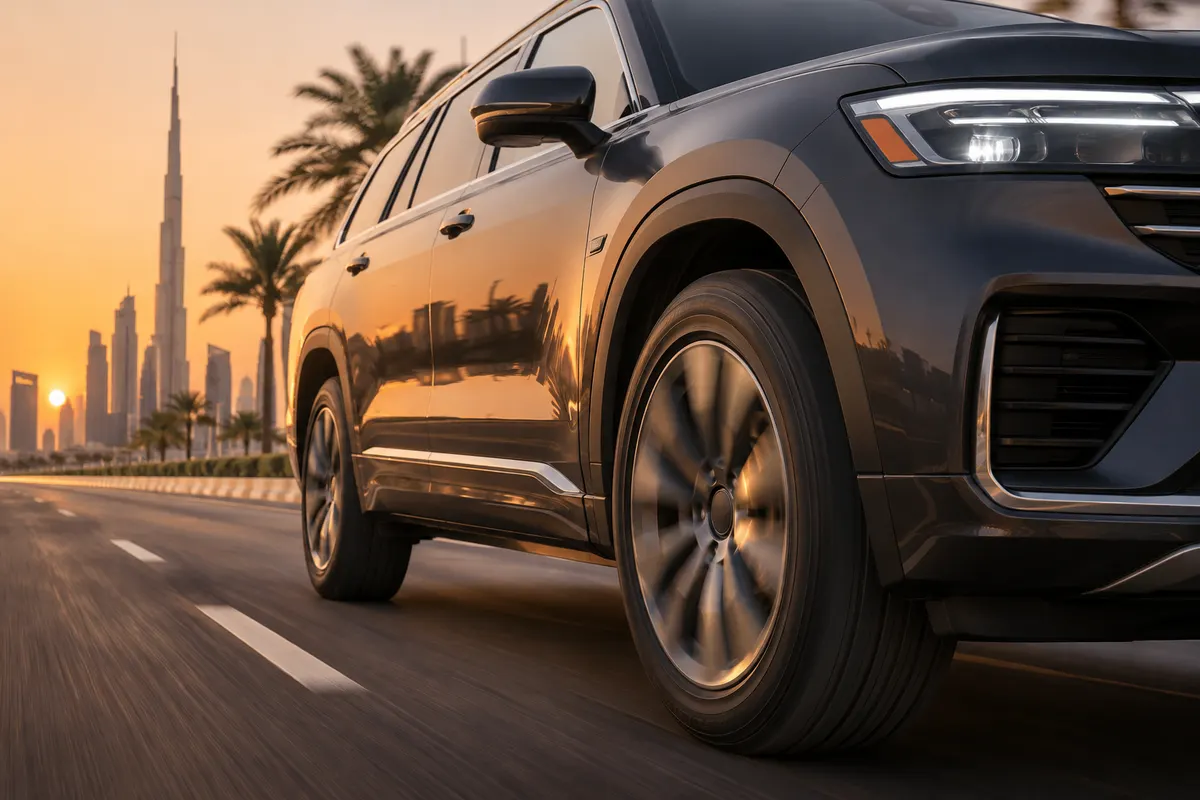
For an SUV that lives on tarmac, the CrossContact LX2 and TerrainContact H/T are the two Continental tyres I recommend most often. Both are highway-terrain designs with closed shoulder blocks and a tread compound built for long mileage, which suits the daily school run, mall car parks and long highway drives between emirates.
The CrossContact LX2 is the more comfort-focused of the two. It feels settled on the E11 at 120 to 140 km/h and stays quiet in the cabin, which matters on mid-size SUVs like the Prado, Pajero Sport, Fortuner and Pathfinder. The TerrainContact H/T has a slightly stiffer build and is a strong choice for heavier SUVs and pickups that carry family luggage or tow a small boat trailer.
What both give up is grip on loose surfaces. They will handle a graded gravel road to a villa or a short sandy car park, but they are not the tyre for a desert trip at low pressure.
One point that often gets missed is the rear axle on seven-seaters. When the third row is full and the boot carries a cool box and luggage, the rear tyres carry far more weight than the fronts. A highway tyre with the right load index copes with that easily, but only if the pressure is raised to the full-load figure on the placard. I check this on every family SUV I fit before a summer trip to Oman or Fujairah.
- Best for: mostly tarmac driving, long highway runs, families who want low noise.
- Typical rims: 16 to 20 inch.
- What to watch: correct load index for seven-seat SUVs carrying full loads.
What is the best Continental tyre for premium and performance SUVs?
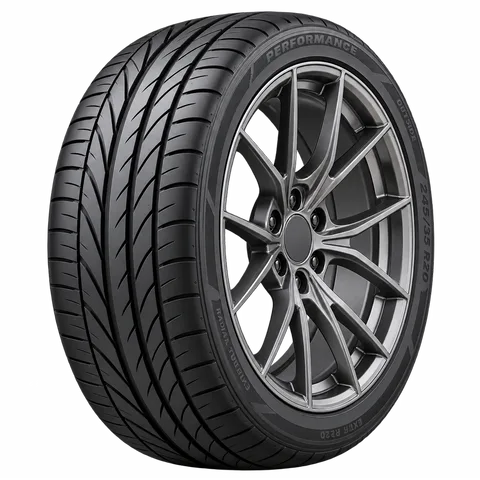
Premium and performance SUVs need a tyre that matches their factory speed and load rating, and in the Continental range that usually means the CrossContact LX Sport or the ContiCrossContact UHP. These cars weigh 2 to 2.5 tonnes, accelerate hard and brake from high speed, so the tyre has to hold its shape under heavy lateral and braking loads.
The CrossContact LX Sport is a common factory fitment on luxury SUVs and gives a good blend of steering feel and ride comfort. The ContiCrossContact UHP is the sportier option, built for high-speed stability on 19 to 22 inch rims, and suits cars like the Cayenne, X5, GLE and Range Rover Sport.
On these vehicles I always check the sidewall for an OE marking before ordering. A Mercedes may want an MO tyre, a BMW a star, an Audi an AO, and a Porsche an N-number. Fitting the matching marking keeps the handling the way the engineers set it up. If your SUV came on run-flats, selected sizes are available with Continental's SSR construction too.
- Best for: luxury and performance SUVs on 19 to 22 inch rims.
- Check: speed rating (often V, W or Y) and any OE marking on the old tyre.
- Fit in pairs at minimum, and ideally all four on AWD cars.
Which Continental tyres are best for sand, gravel and light off-road use?
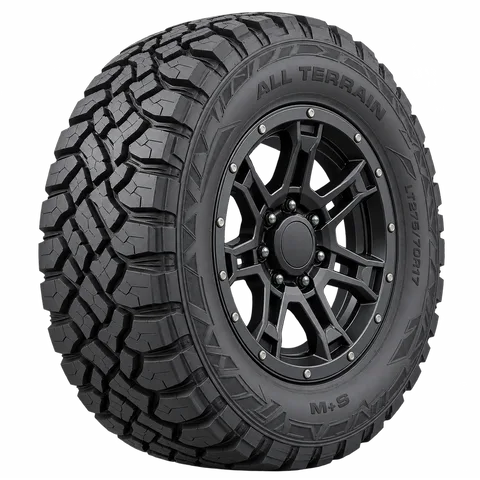
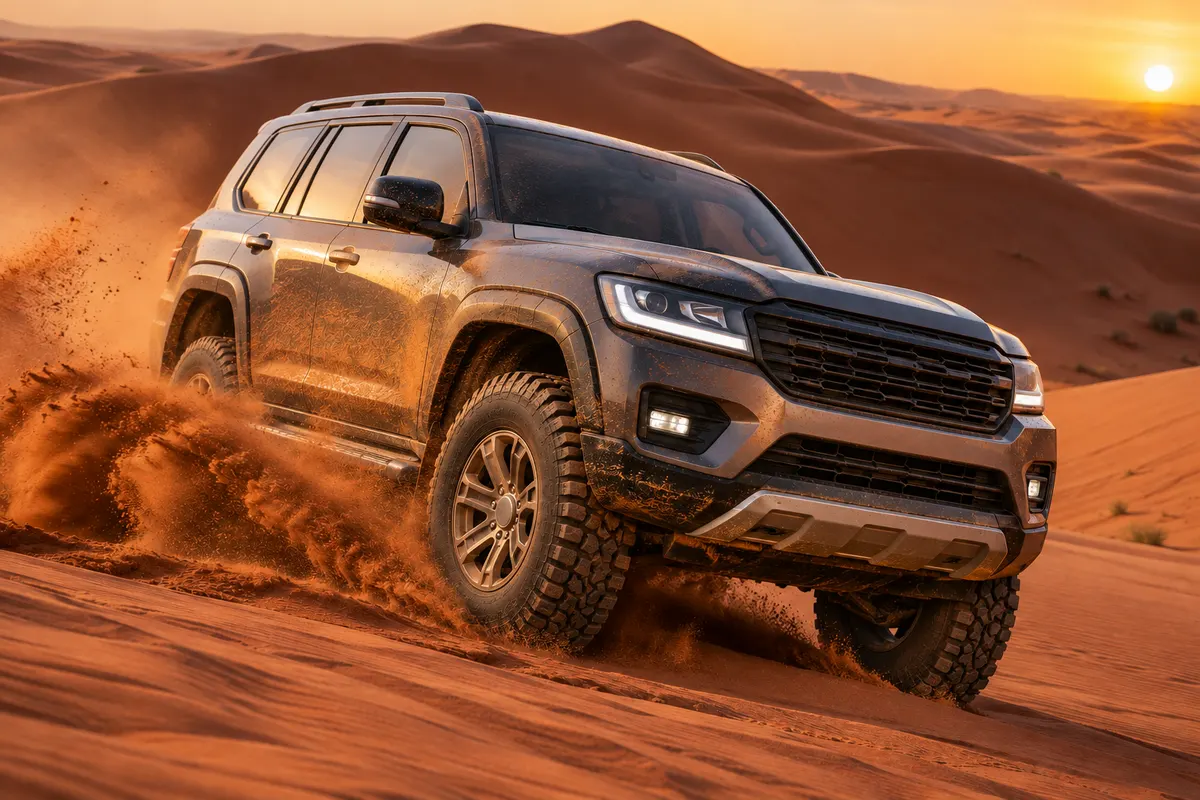
If you drive on sand, wadi tracks or gravel more than a few times a month, choose the CrossContact ATR, TerrainContact A/T or CrossContact RX. All three have more open tread blocks and tougher casings than the highway tyres, so they clear sand, resist stone chips and keep traction when you drop pressure.
The CrossContact ATR is a road-biased all-terrain tyre. It is my usual pick for a Patrol or Land Cruiser owner who goes to the desert on weekends but drives to the office every day. The TerrainContact A/T leans a little further toward off-road durability, which helps on rocky Hatta and Ras Al Khaimah tracks. The CrossContact RX is a more premium design for modern SUVs like the Defender that need refined road manners and real off-road ability.
For deeper dune driving, read my notes on choosing tyres for desert driving, because tyre pressure and technique matter as much as tread pattern. Our Continental off-road tyres page lists the sizes we keep for the bigger 4x4s.
- Best for: weekend desert drives, gravel tracks, camping trips.
- Expect: slightly more road noise and a little less tread life than highway tyres.
- Always carry a compressor and re-inflate before returning to tarmac.
| Use case | Continental model | Typical rims | Typical AED per tyre |
|---|---|---|---|
| Mid-size SUV, city and highway | CrossContact LX2 | 16–20" | 520–1,250 |
| Heavy SUV or pickup, mostly tarmac | TerrainContact H/T | 16–20" | 520–1,250 |
| Luxury SUV, comfort and handling | CrossContact LX Sport | 18–21" | 650–2,000 |
| Performance SUV, high speed | ContiCrossContact UHP | 19–22" | 800–2,200 |
| Patrol or Land Cruiser, weekend desert | CrossContact ATR | 17–20" | 520–1,600 |
| Rocky tracks and gravel | TerrainContact A/T | 17–20" | 520–1,600 |
| Modern premium SUV, on and off-road | CrossContact RX | 18–22" | 650–2,200 |
| Older large 4x4, road use | Conti4x4Contact | 17–19" | 520–1,250 |
Is the Conti4x4Contact still a good choice for UAE SUVs?
The Conti4x4Contact is an older Continental 4x4 road tyre, but it is still produced in selected sizes and remains a sensible choice for some large SUVs. It is a road-focused pattern with a reinforced build, and it suits heavier 4x4s that spend nearly all their time on tarmac.
I usually see the Conti4x4Contact on older luxury 4x4s where the size is less common and the newer patterns are not made in that exact fitment. If your car's size is available in both the Conti4x4Contact and a newer CrossContact, I generally suggest the newer tyre because its compound and noise performance benefit from more recent development.
That said, an older pattern with a fresh DOT date is a far better buy than a newer pattern that has been sitting in a hot warehouse for three years. We show the DOT code to every customer before fitting so you know exactly how old the rubber is.
A second point with older patterns is matching. If you replace only two tyres on a 4x4, the new pair should be the same pattern as the remaining pair, or you should change all four. Mixing a road pattern on one axle with a different design on the other changes how the car behaves on loose surfaces and under hard braking, and on full-time four-wheel-drive systems the difference in rolling diameter can put extra load on the centre differential.
How much do Continental SUV tyres cost in the UAE?
Continental SUV tyres in the UAE typically cost from around AED 520 per tyre on 17 inch rims to around AED 2,200 per tyre on 22 inch rims. The exact price depends on the size, the load and speed rating, any OE marking and current stock, so we confirm every quote on WhatsApp before you book.
As a rough guide from what we fit, 17 inch SUV sizes sit around AED 520 to 780, 18 inch around AED 650 to 950, 19 inch around AED 800 to 1,250 and 20 inch around AED 950 to 1,600. Performance SUV sizes on 21 and 22 inch rims, often with staggered front and rear widths, run from about AED 1,300 to 2,200 per tyre.
Mobile fitting labour starts from AED 100 per visit and includes removal, a new valve, balancing on the van, torque to spec, pressure set to the placard and disposal of the old tyres. For a live breakdown by size, the Continental SUV tyres page shows the common fitments. You can also spread the cost over four interest-free payments with Tabby or Tamara.
How do you choose the right size and load rating for an SUV?
The right size and load rating for your SUV are printed on the door-pillar placard and on the sidewall of the tyres the car left the factory with. Copy the full code, for example 265/65 R17 112S or 285/50 R20 116V XL, because the load index and speed letter matter as much as the width and rim.
Seven-seat SUVs and 4x4s that carry heavy roof boxes or tow need the full load index, and I will not fit a tyre with a lower number. A lower load index can overheat at highway speed when the car is fully loaded in 45°C weather. The speed rating should match or exceed the original.
Some owners ask about going up a rim size or fitting a wider tyre for looks. It can be done, but it changes ride comfort, steering weight and sometimes the speedometer reading. Check the overall diameter stays within about 3% of the original, and confirm the tyre does not rub on full lock. Our SUV tyre guide lists the most common sizes by model.
- Read the placard on the driver's door pillar for size and pressures.
- Never fit a lower load index than the original.
- Keep overall diameter within about 3% if changing size.
How long do Continental SUV tyres last in UAE conditions?
Most Continental SUV tyres last between 40,000 and 70,000 km in the UAE, depending on the pattern, the driving style and how well pressures are kept. Highway-terrain tyres sit at the top of that range, while all-terrain and performance SUV tyres usually wear faster.
Heat is the biggest factor here. Summer road surfaces reach 60 to 70°C, and an underinflated SUV tyre flexes more, builds more heat and wears its shoulders. I see this most on heavy 4x4s that are parked outside all day and checked only at service time. Speed bumps taken fast and kerbs in tight basement ramps add sidewall damage that shortens life further.
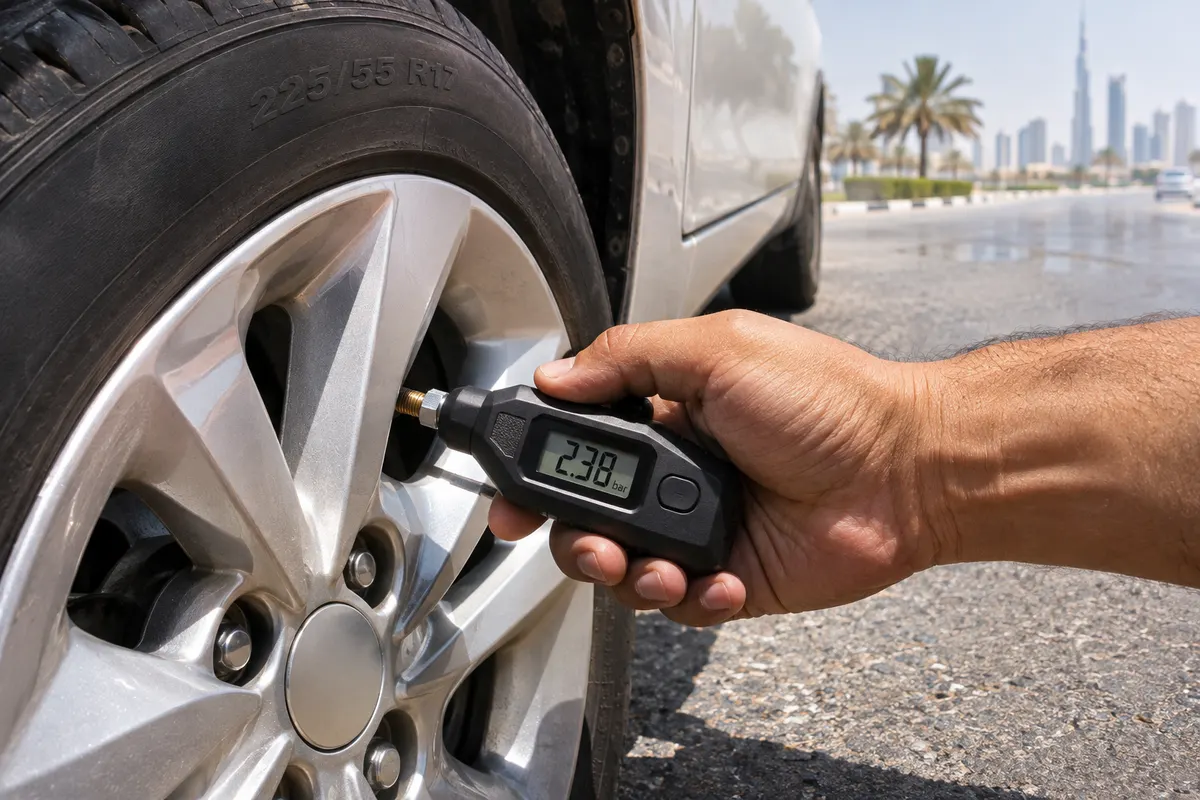
Rotating the tyres every 8,000 to 10,000 km, checking alignment once a year and keeping the pressure at the placard value cold are the three habits that add the most kilometres. Regardless of tread left, tyres more than five years past their DOT date are commonly rejected at inspection. My full breakdown is in the post on how long Continental tyres last in the UAE, and the summer tyre pressure guide covers the pressure side in detail.
What should you check before buying new SUV tyres?
Before buying new SUV tyres, check four things: the full size code, the DOT date of the tyres offered, whether your car needs an OE marking, and the condition of the wheels and alignment. Getting these right matters more than small price differences between shops.
Start with a clear photo of the sidewall of one current tyre. It shows the size, load index, speed rating and any OE marking in one place, and it is the fastest way to get an accurate quote. Then ask for the DOT code of the tyres you are being offered. The last four digits show the week and year of manufacture, and I would not fit SUV tyres that have been sitting in storage for years when fresh stock is available.
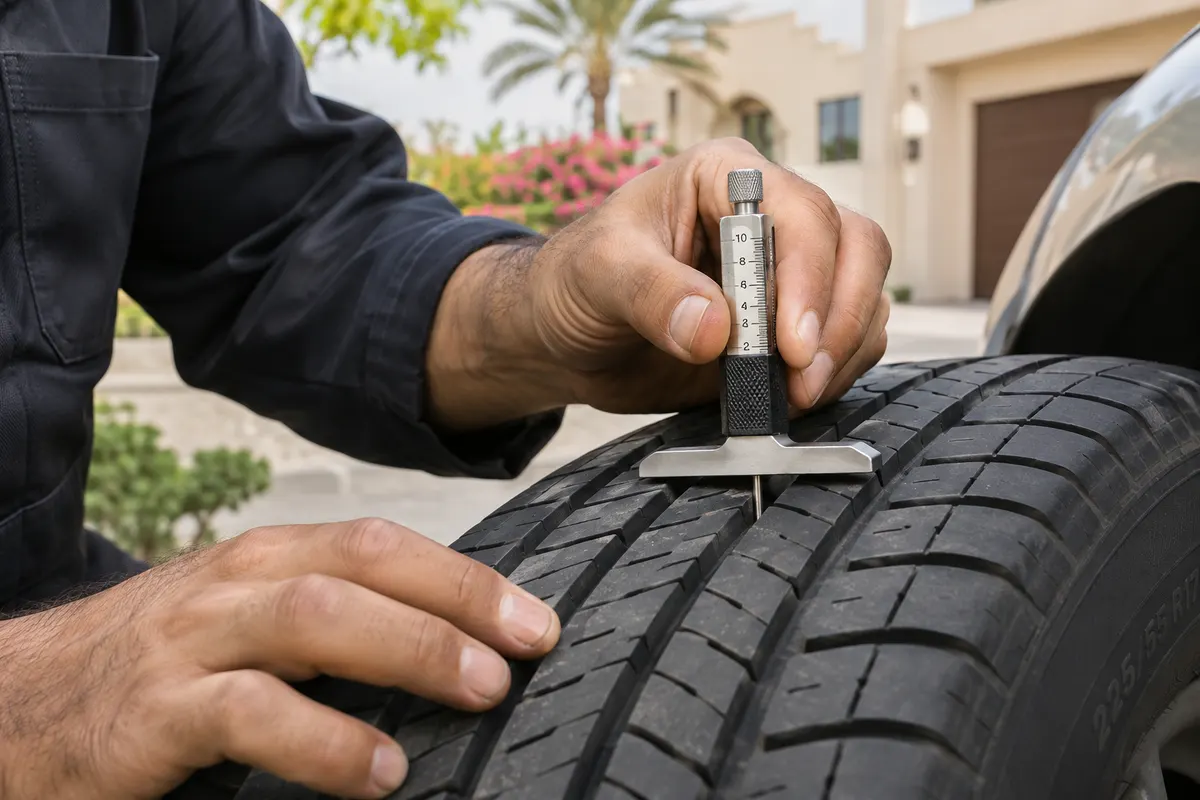
Next, look at how the old tyres have worn. Wear on one edge, scalloping or a feathered feel across the tread usually points to an alignment or suspension issue. Fitting new tyres without fixing it means the new set will wear the same way. On heavy 4x4s that climb kerbs or hit speed bumps at speed, I often find worn track rod ends or bushes that need attention first.
Finally, think about where the car spends its time. Be honest about how often you go to the desert. If it is twice a year, a highway tyre and a careful drive at reduced pressure will do the job. If it is every weekend, the all-terrain range is worth the extra noise.
- Photograph the sidewall: size, load index, speed rating, OE marking.
- Ask for the DOT date before you pay.
- Check old tyre wear for alignment or suspension problems.
- Choose the pattern for your real weekly driving.